
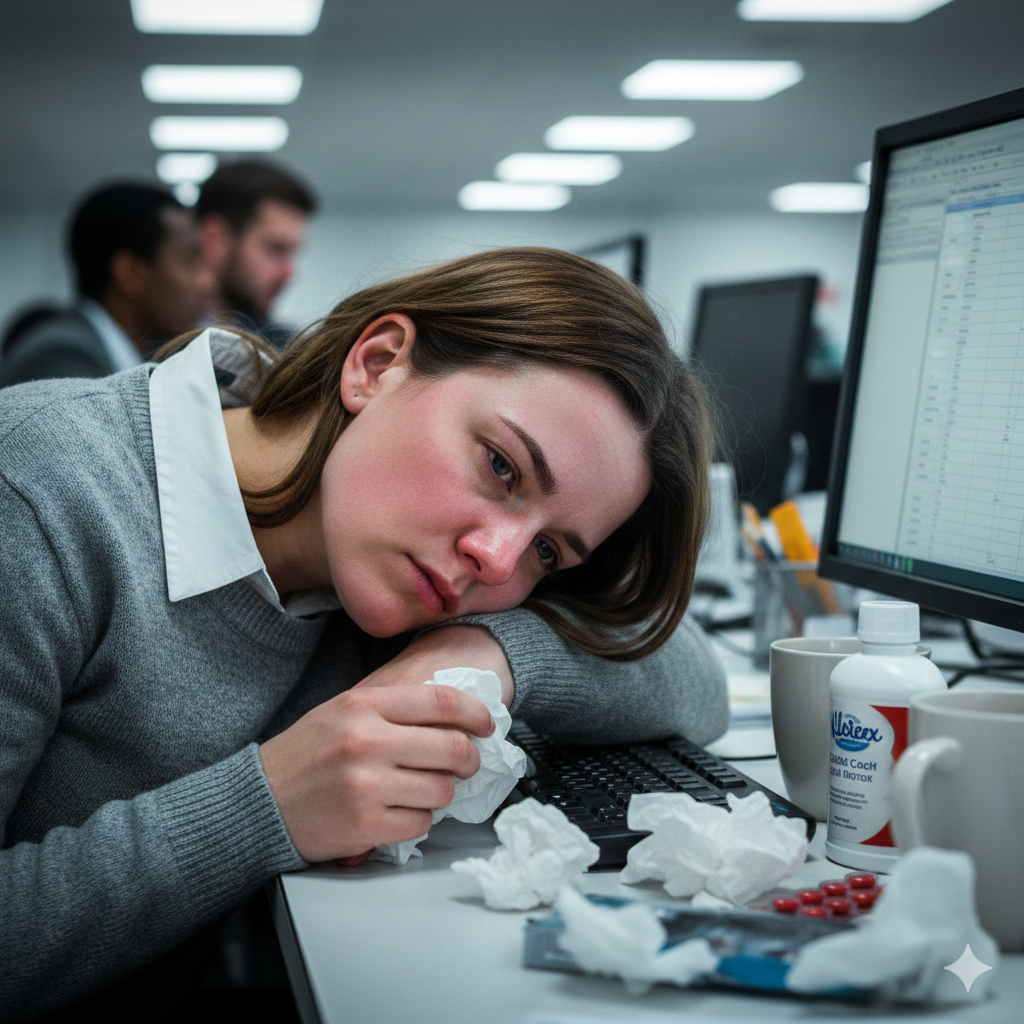
As the chilly months roll in and flu season hits full swing, many of us will face that unwelcome mix of fever, aches and fatigue. The good news? In many cases, flu can be managed at home — but it helps to know what to do, what to watch out for, and when to get professional medical advice.
Common Flu Symptoms
According to the NHS, flu symptoms often come on suddenly. Typical signs may include: a high temperature, aching muscles or body, tiredness or exhaustion, a dry cough, sore throat, headache, difficulty sleeping, loss of appetite — sometimes even nausea, stomach pain or diarrhoea. (nhs.uk)
Because flu tends to hit harder than a regular cold, affected people often feel too unwell to go about normal activities. (nhs.uk)
What You Can Do at Home to Feel Better
If you catch the flu and don’t have risk factors — many people can recover fully at home. Here are practical steps recommended by NHS: (nhs.uk)
- Rest & Sleep Well — Give your body time to fight the infection. Rest helps your immune system do its job.
- Keep Warm — Staying warm helps you feel more comfortable while your body battles the virus.
- Stay Hydrated — Drink plenty of fluids: water, diluted juice or warm soups can help. Aim for your urine to be pale yellow or clear, a good sign you’re hydrated.
- Relieve Fever & Aches — Over-the-counter pain/fever relief like paracetamol or ibuprofen can help ease fever, headaches, sore joints or muscles. Make sure dosage is correct, especially in children.
- Avoid Spreading the Virus — Flu is highly infectious, especially in the first 5 days. Wash hands frequently, cover coughs/sneezes with a tissue or elbow, bin used tissues promptly, and stay home until you’ve recovered enough.
Also, avoid taking multiple paracetamol-containing remedies at the same time (to avoid accidental overdose).
When to Consider Medical Help
Most people recover fine with the above measures, but you should seek professional advice if:
- Symptoms are worrying or very severe (e.g. persistent high fever, difficulty breathing or chest pain)
- You have risk factors such as: being aged 65+, pregnancy, chronic illness, weakened immune system, or other health conditions.
- Symptoms have not improved after about 7 days.
If you feel uncertain or uncomfortable — it’s always better to talk to a healthcare professional.
When It Helps to See a GP — And How We Can Help
At OUR GP in Dundee, we know that sometimes you want more than home-care advice — you may want a medical assessment, tailored guidance, or simply peace of mind.
When you book an appointment with one of our qualified GPs, we can:
- Review your flu symptoms and medical history
- Check vital signs (blood pressure, oxygen levels, pulse) if needed
- Assess if any complications are developing (e.g. chest/lung involvement)
- Advise on whether antiviral treatment might be appropriate
- Provide personalised recommendations for recovery or further care
If you have concerns — for instance, you’re not recovering as expected, or you have other health conditions — a GP assessment can be a wise step.
Flu Prevention — A Wise Investment
While flu can often be managed at home, prevention remains the best strategy. The NHS recommends the annual flu vaccine, especially for people at higher risk of complications.
Good hygiene and simple measures — hand washing, covering coughs/sneezes, staying away from crowded or poorly ventilated spaces, keeping surfaces clean — also help reduce the chance of catching or spreading flu. (ECDC)
Bottom Line
Flu season doesn’t have to knock you out for weeks. With rest, proper hydration, sensible use of over-the-counter remedies, and good self-care — many can recover at home. But if you’re in a high-risk group, your symptoms worsen, or you just want expert guidance — remember, you can always book a chat with one of our GPs at OUR GP in Dundee. We’re here to support you, ensure your safety, and help you recover as smoothly as possible.